

Surgical Technology (A.A.S.)

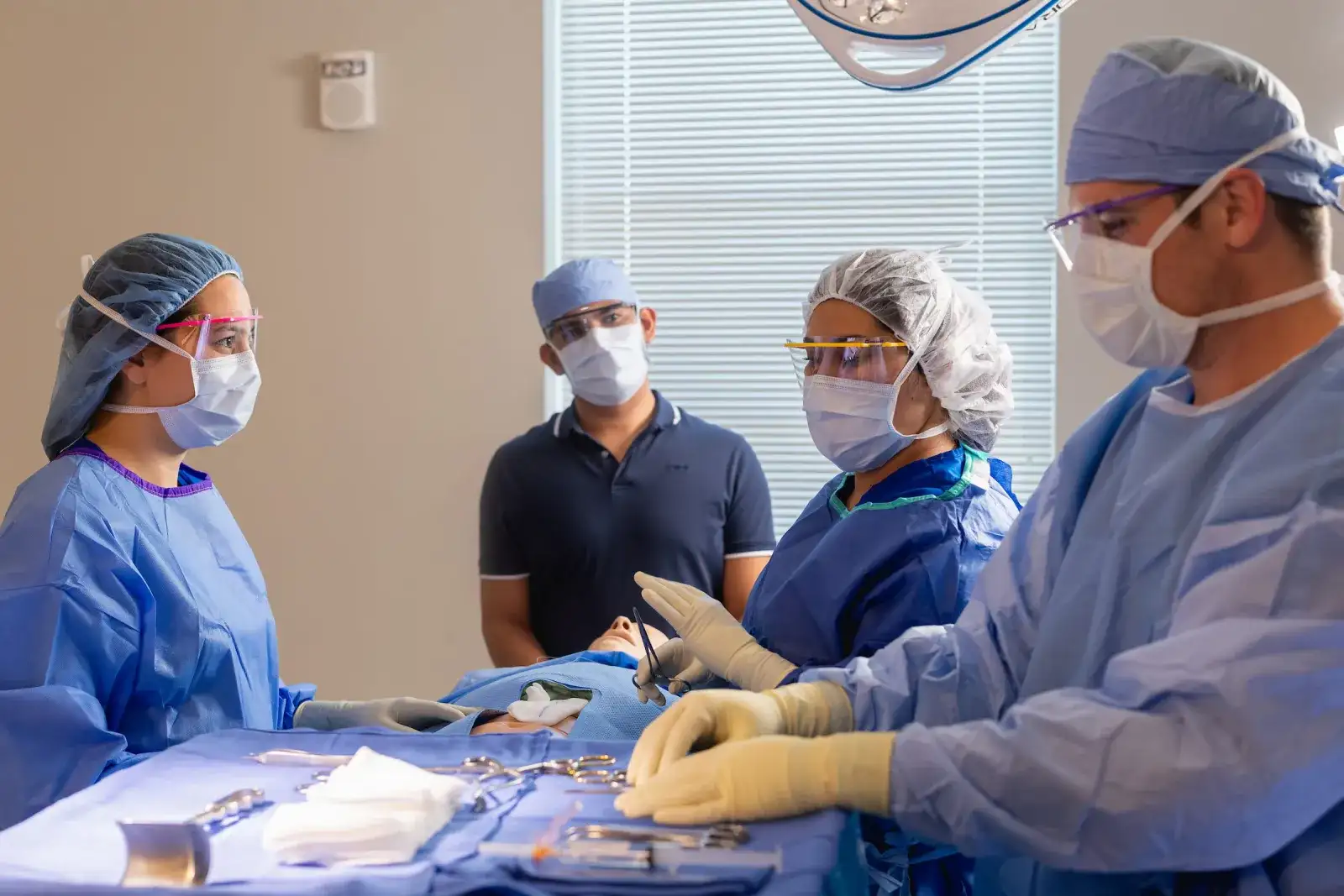
Be part of the surgical team. Learn sterile techniques, operating room procedures and patient support while assisting with surgical preparation instruments and procedures.

Surgical technology
Associate Degree
Outcome
Two academic years
Duration
On-Campus
Learning Format
Central Campus
Location

Statistics

Clinical experience

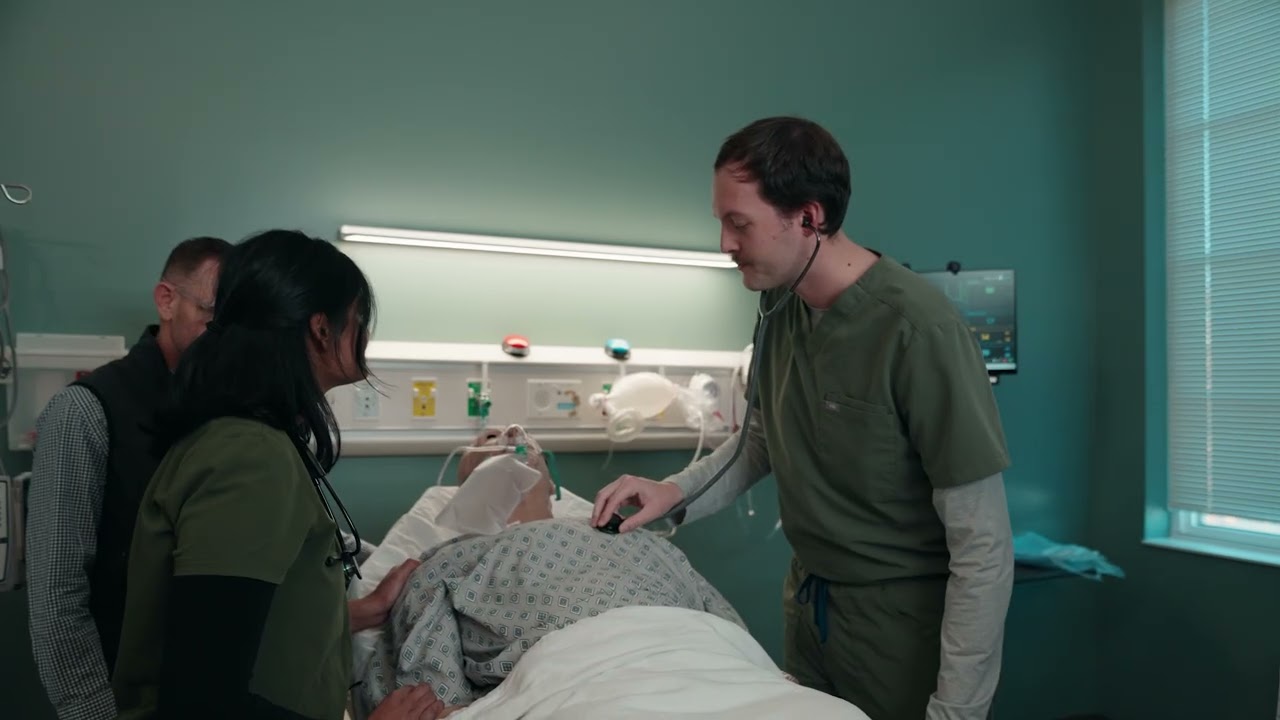
This program provides early and ongoing clinical experience starting in the first semester.

Hands-on learning

Our students train in dedicated surgical labs and use advanced tools, including a laparoscopic simulator.

Practical skills

Training prepares you for fast-paced, team-based work in the operating room.

Career-focused

Graduates are ready for entry-level roles in hospitals and surgical centers.

Let's map out your next move together.

About the programs

About the Surgical Technology program

The Surgical Technology program trains you to be a vital part of the operating room team. You will support surgeons, nurses, and anesthesiologists before, during, and after surgery. In class, lab practice and clinical rotations, you'll develop skills to keep environments sterile, assist in procedures and ensure patient safety. For more information, watch the on-demand information session.

Career Outlook for Surgical Technology (A.A.S.)

This Career Outlook combines extensive labor market data to help you evaluate the careers that match your strengths and interests, and where those careers are thriving. Please explore the national, state, and regional data, as you compare the careers related to Surgical Technology (A.A.S.).

Geographic Region

Please enter your zip code to view the targeted region or state-level data.

Region CHARLOTTE, NC
Loading career data…

Occupations

Showing list of job titles from most popular to least.

Frequently asked questions

Surgical technologists assist the surgical team before, during, and after procedures. They prepare sterile equipment, manage instruments and help maintain a safe operating room environment.

Graduates work in hospital surgical departments and surgery centers. Some roles may also be available in labor and delivery or endoscopy settings.

Students are introduced to the operating room in their first semester and continue clinical experience throughout the program. Clinical rotations take place at multiple healthcare facilities, reinforcing skills learned in the classroom and labs.

Students train in dedicated surgical labs and use specialized equipment, including a laparoscopic simulator. Lab work supports skills needed for clinical and operating room settings.

Yes. In addition to applying to the college, healthcare programs have a few extra steps. Learn what to do on the apply to a healthcare program page. There may also be additional requirements for enrollment. Please read the specifics for your program on the requirements page

Take the next step your way. Apply today or plan your path with help.