
Statistics
Simulation technology
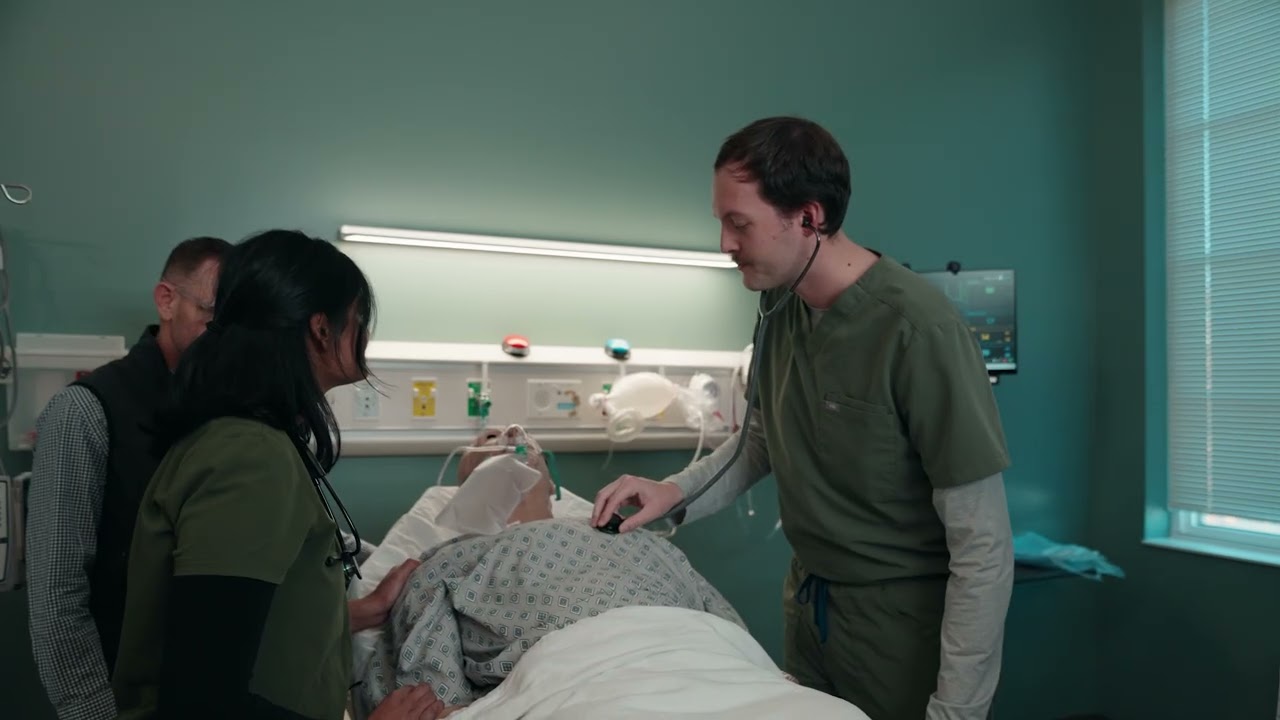
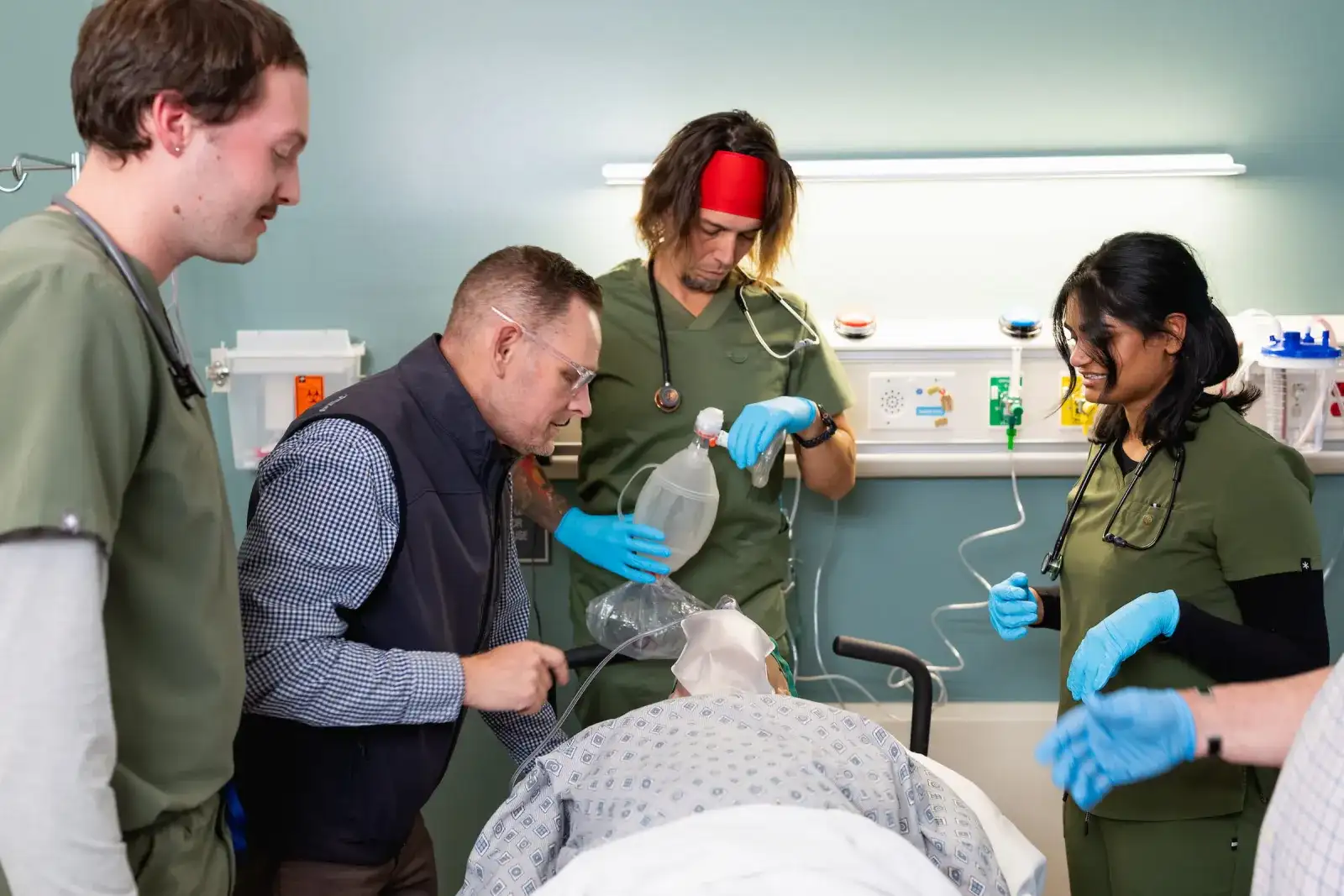
Two lab areas mimic hospital patient rooms. They contain advanced simulation manikins for practical learning.
Hands-on training
Clinical rotations will enable you to practice what you learn in the classroom and lab.
Extracurricular opportunities
Discover networking opportunities at the Future Respiratory Therapists student club.
Transfer partnerships
Transfer your associate degree credits to UNC Charlotte's Bachelor of Science in respiratory therapy program.
Let's map out your next move together.
About the Respiratory Therapy program
Central Piedmont Community College’s Respiratory Therapy program combines science courses, lab practice, and clinical rotations to prepare graduates for safe, effective cardiopulmonary care across diverse healthcare settings.
By completion of the program, you will be eligible to take the National Board for Respiratory Care registry examinations.
What you’ll learn
You will become familiar with cardiopulmonary anatomy and physiology. Additionally, you will learn to:
- assess and treat breathing disorders
- operate invasive and non-invasive ventilators, oxygen devices, secretion clearance and lung expansion devices
- perform diagnostic tests like arterial blood gas analysis and pulmonary function studies
- provide patient education
Frequently asked questions
Respiratory therapists treat people with disorders affecting the cardiopulmonary system. This can include obstructive lung disorders, such as asthma and chronic obstructive pulmonary disease, restrictive lung disorders, such as pneumonia and acute respiratory distress syndrome, neuromuscular disorders, cardiovascular disorders, and trauma.
Most graduates begin working in the hospital setting. They may treat neonatal, pediatric adult, and geriatric patients. Respiratory therapists are also employed in the following settings:
- Skilled nursing and long-term care facilities
- Pulmonary rehabilitation facilities
- Home healthcare
- Emergency medical transport units
- Sleep medicine
- Pulmonary function testing
State licensure and national credentialing through the National Board of Respiratory Care (NBRC) is mandatory for respiratory therapists practicing in the U.S., except for Alaska. Additionally, a two-year degree is necessary to enter the field. However, many employers now also require a bachelor's degree.
Graduates of the respiratory therapy degree program at Central Piedmont are eligible to transfer credits to and enroll in UNC Charlotte's Bachelor's of Science in respiratory therapy.
Respiratory therapists have two credential levels: Certified Respiratory Therapist (CRT) and Registered Respiratory Therapist (RRT). After earning a 2- or 4-year degree, graduates of CoARC-accredited programs may pass a national multiple-choice exam to become a CRT. Those who pass can then take a clinical simulation exam to earn the RRT credential.
Yes, applicants to the respiratory therapy program at Central Piedmont must take the TEAS test. For more information about program requirements and maximum points, visit the healthcare programs requirements page.
Program courses are offered during the day on weekdays. Clinical rotation hours will vary, but are typically between the hours of 6:30 a.m. and 2:30 p.m.
The respiratory therapy program requires the completion of 74 credit hours completed over five full-time semesters. The curriculum includes general studies courses as well as program-specific courses. General studies courses can be taken at any time.
Accreditation information
Central Piedmont is accredited by the Southern Association of Colleges and Schools Commission on Colleges (SACSCOC) to award associate degrees.
The Central Piedmont Respiratory Therapy program is accredited by the Commission on Accreditation for Respiratory Care (CoARC; accreditation number 200211).
The Commission on Accreditation for Respiratory Care (CoARC)
264 Precision Blvd Telford, TN 37690 USA
817-283-2835
https://coarc.com/
Take the next step your way. Apply today or plan your path with help.